

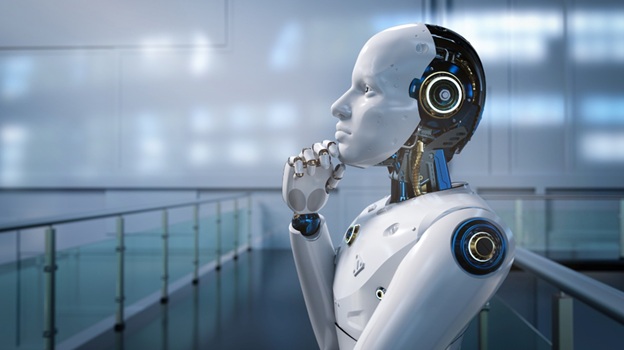
If you have ever interacted with a chatbot that replied, “I am sorry you are frustrated,” you may have paused to wonder—does it truly understand what I am feeling? This simple question lies at the core of one of today’s most fascinating debates in technology: Can artificial intelligence ever be emotionally intelligent?
To explore this, we must first understand what emotional intelligence—often referred to as EQ—actually is.
What Is Emotional Intelligence?
Emotional intelligence is the human ability to recognize and manage one’s own emotions, understand others’ emotional states, navigate complex social interactions, and respond thoughtfully in emotionally charged situations. It is what helps us comfort a grieving friend, read tension in a meeting room, or avoid overreacting in a stressful moment.
Gautam Goenka, Global Learning Head at GE Healthcare, put it succinctly on The Majlis Show: “Self-awareness, empathy, and self-reflection—these are emotional skills I do not think AI will be able to mimic easily.” He emphasizes that while IQ might get someone in the door, EQ is what sustains leadership, teamwork, and trust over time. According to him, being emotionally intelligent is not just useful—it is indispensable in a world increasingly defined by machines.
How AI Simulates Emotional Awareness
While AI does not feel emotions the way humans do, it can simulate emotional understanding through various technologies. Sentiment analysis enables it to gauge whether a message sounds angry or happy. Facial recognition software can detect smiles or frowns. Voice analysis picks up pitch, tone, and stress levels. Affective computing adapts responses in real time, adjusting for perceived emotional context.
Apps like Replika and Woebot leverage these tools to hold conversations that feel emotionally sensitive and even comforting. Users often walk away feeling heard—even when the listening was done by lines of code.
The Imitation of Empathy
AI does not have memories, heartbreaks, or daydreams. It does not get nervous before a job interview or feel warmth from a long-lost friend’s message. What it does have is data. Through pattern recognition, it mimics emotional responses, often convincingly.
This imitation has value. A teenager struggling at midnight might find solace in a mental health chatbot. A caregiver could use AI to detect loneliness in a senior. A frustrated customer might appreciate a faster, empathetic resolution. In these moments, simulated empathy can still provide real relief.
Risks and Ethical Concerns
But with this capability comes complexity. Emotionally intelligent AI could also be used to manipulate. By analyzing mood, companies could tweak advertisements, news feeds, or even political messaging to match an individual’s emotional vulnerability. It raises serious privacy concerns—especially when emotional data is collected and used without consent.
Moreover, AI does not actually care. It says, “I understand” not because it does, but because it is programmed to say so. This illusion of empathy can blur lines, making users trust systems that have no genuine emotional depth.
Can Machines Truly Learn EQ?
To some extent, yes. Machines can be programmed to express concern, adjust tone, or show sympathy. But authentic emotional intelligence is built on lived experience, self-reflection, and consciousness—qualities AI does not possess.
Goenka makes a compelling distinction here: While AI may someday mimic many emotional patterns, true emotional intelligence involves understanding where your emotions come from, how to manage them, and how to connect with others using that insight. AI lacks that inner life, that “emotional compass” shaped by personal wins, losses, and everything in between.
Where Do We Go From Here?
AI with emotional awareness will continue to enter our lives—across classrooms, hospitals, customer service centers, and more. This is not inherently bad. In fact, emotionally responsive AI can be a force for good, especially in contexts where human support is unavailable.
But we must be cautious. Just because a machine sounds caring does not mean it cares. And while that might be acceptable for quick help or short-term conversations, we should not confuse simulation with sincerity.
Final Thoughts
Can AI ever be emotionally intelligent? Not in the way humans are. But it can behave in ways that appear emotionally intelligent—often well enough to support, soothe, or guide us.
Still, the most meaningful emotional connections—the kind based on empathy, intuition, and lived experience—belong to humans. That is something no algorithm can replicate.
