

Office security often slips through the cracks when daily tasks take priority, but small gaps can create bigger trouble. Many workplaces rely on routines that feel familiar, yet those habits may miss clear risks hiding in plain sight. A strong setup begins with understanding where weak points form and how tools can support clearer oversight. Practical solutions help reduce stress for both managers and staff, easing the load while keeping the workplace steady. This article takes a direct look at common mistakes and how simple improvements strengthen office safety.
Weak Entry Controls That Invite Trouble
Many offices rely on basic locks that do little to protect daily operations. A strong entry setup helps staff feel safer and keeps access organised. A door access system in Singapore supports clearer entry records and reduces lapses caused by shared keys. It offers structured control of who enters and leaves, which creates a more accountable space. Simple steps such as reviewing user permissions or checking access logs also help prevent gaps that lead to losses. When these processes fall behind, small oversights can grow into bigger concerns.
A biometric door access system introduces fingerprint or facial recognition checks that support precise user verification. It limits the risk of borrowed cards or lost tags causing issues. Practical benefits include faster entry for authorised staff and a cleaner record of movement across the office. The goal is not complexity but accuracy. Clear, verified entry data allows managers to understand patterns without adding stress to daily work.
Poor Camera Coverage That Leaves Blind Spots
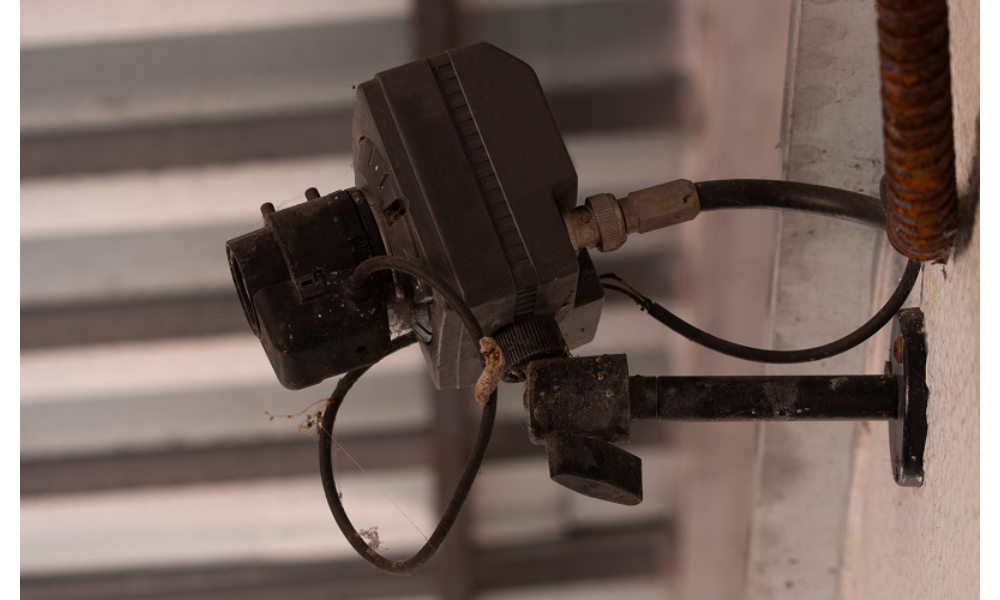
A CCTV camera system in Singapore helps monitor common areas, storage rooms and server spaces. The problem begins when cameras are placed without proper planning. Corners, doors and dim corridors often escape focus, leaving quiet spots that allow break-ins or internal issues to go unnoticed. Good placement improves clarity and ensures footage can support investigations when needed.
A biometric door access system works well alongside cameras because the footage matches the access logs. This pairing helps confirm events using two points of data. Offices that rely on one tool alone often miss helpful details. A simple walkthrough of the office layout helps determine where cameras should look and how to avoid shadows or glare that reduce visibility.
Ignoring the Importance of Regular Maintenance
Many systems work well on installation day but lose reliability when upkeep is ignored. A door access system in Singapore should be checked at intervals to confirm that scanners respond on time, cards still work, and records sync with the central platform. Delayed fixes lead to malfunctioning doors or incomplete logs, which weaken overall security.
A CCTV camera system in Singapore also needs stable storage and clean lenses. Dust, low lighting, and unstable network connections can reduce footage quality. These small issues matter when reviewing an incident. Offices that schedule routine checks reduce the chance of gaps in coverage.
Overlooking Internal Risks
Break-ins do not always come from the outside. Internal lapses occur when access levels are too broad. Staff who no longer need entry to certain rooms still have active credentials. A door access system in Singapore becomes more useful when access rights match job roles. Simple updates during staff movement help prevent unnecessary exposure.
A biometric door access system adds an extra layer because each scan links to the individual, not a shared card. This helps maintain transparent records. When combined with clear HR processes, it forms a practical shield against internal slip-ups.
Storing Footage Without a Clear Structure
A CCTV camera system in Singapore records large amounts of data each day. Without a proper storage plan, important footage may be overwritten too early or saved in locations where retrieval becomes difficult. A proper retention timeline supports investigations and aligns with internal policy.
Routine audits help ensure that recorded files remain accessible and clear. Camera quality and storage capacity should match the frequency of movement within the office. High-traffic offices benefit from slightly longer retention periods to support event reviews.
Relying on Old Credentials and Outdated Tech
Some offices still use access cards issued years ago. Wear and tear reduce their reliability. Older scanners may also delay entry or fail to register tags. A biometric door access system helps reduce friction because staff rely on fingerprints or scans that do not expire easily. This approach supports continuous accuracy without depending on items that can be misplaced.
A CCTV camera system in Singapore can also age quickly. Cameras with lower resolution may not capture clear faces or details. Upgrading does not need to be dramatic. It simply involves matching current office needs with practical, available tools.
Weak Coordination Between Different Security Tools
Many security issues occur because tools operate separately. Logs do not match footage, and entry data sits in a disconnected platform. When a door access system in Singapore works in tandem with cameras, the office gains a straightforward timeline of events.
A biometric door access system adds user-specific details that enrich the final record. The clearer the data, the faster incidents can be reviewed. Contact VALSYS Technologies to strengthen your office security with practical, reliable tools that support safety and daily workflow.
